Emergency Roadside Assistance for Flat Tire Trouble in Gilbert and Phoenix
A flat tire rarely happens at a convenient time. It shows up in a grocery store parking lot at dusk, on the Loop 202 shoulder with traffic moving too fast for comfort, or halfway through a summer errand run when the pavement in Gilbert and Phoenix feels hot enough to radiate through your shoes. In Arizona, a flat is more than a nuisance. Heat, traffic, road debris, and long stretches between safe stopping points can turn a simple tire problem into a stressful situation fast.
That is why emergency roadside assistance matters most when the problem feels small on paper but risky in real life. A tire that went soft in your driveway is one thing. A blowout near a busy interchange or a shredded sidewall on a side street in midday heat is something else entirely. Drivers looking for roadside assistance near me are usually not shopping casually. They need help now, they need a clear arrival window, and they need someone who understands the difference between a repairable puncture and a tire that should never be driven another foot.
Why flat tires are especially disruptive in Gilbert and Phoenix
The local driving environment creates its own set of challenges. Phoenix traffic can move quickly and unpredictably, especially around freeways and multi-lane arterial roads. Gilbert has grown rapidly, which means more construction zones, more debris, and more drivers sharing roads that can be busy from early morning through evening. Add Arizona temperatures, particularly from late spring through early fall, and even stepping outside to inspect a tire can feel exhausting.
Tires in this region take a beating. Heat increases air pressure fluctuations and speeds up rubber wear. A tire that is already underinflated or nearing the end of its useful life becomes more vulnerable. Potholes, broken pavement edges, nails near work zones, and random debris on freeway shoulders all contribute to roadside calls. Many people think only of dramatic blowouts, but slow leaks are just as common. A screw picked up in a shopping center lot can hold air long enough for a driver to get halfway home before the warning light comes on.
In practical terms, that means flat tire assistance is not just about swapping one wheel for another. It is about evaluating whether the vehicle is parked safely, whether the spare is usable, whether the lug nuts can actually be removed, and whether the tire damage points to a larger problem such as rim damage or suspension impact.
What emergency roadside assistance actually covers
People often type emergency roadside assistance near me into a search bar without being sure what help they should expect. For flat tire trouble, the service usually starts with a few basic questions. Where is the vehicle located. Is it on the road, in a parking lot, or in a garage. Is there a spare tire in the vehicle. Is the tire visibly damaged, or did the low-pressure warning come on without an obvious puncture. Those details shape the response.
If the driver has a serviceable spare, the immediate goal is often a safe tire change. If there is no spare, or if the spare is damaged, underinflated, or missing key hardware, then the service may shift from a roadside tire change to towing or transport coordination. That is an important distinction. Not every flat can be fixed on the shoulder, and not every temporary spare is safe for a long drive across town in triple-digit heat.
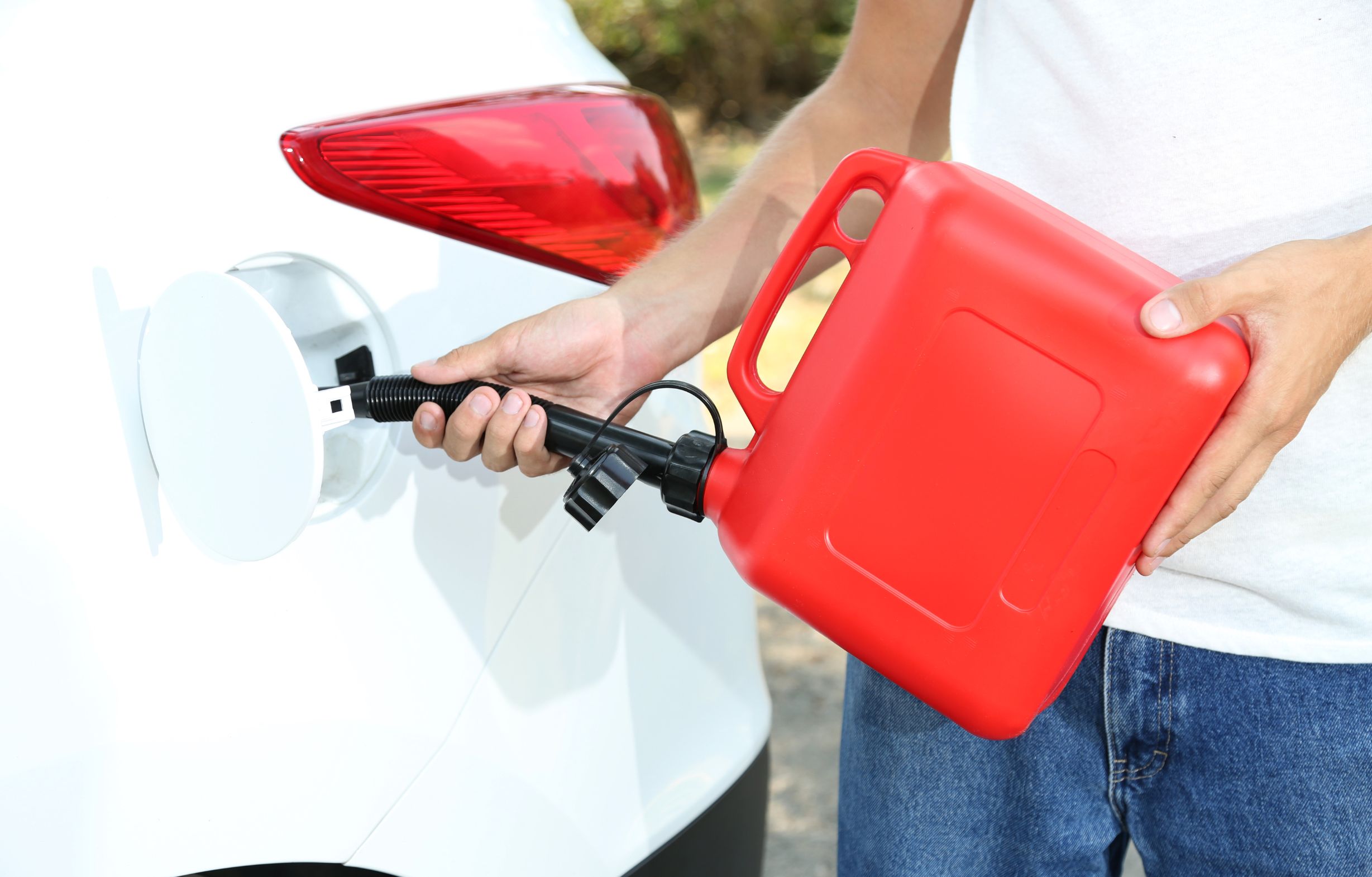
A reliable mobile roadside assistance provider also has to think beyond the tire itself. It is common for flat tire calls to overlap with other problems. A customer may have left hazard lights on and drained the battery while waiting, which is where a jump start service near me becomes relevant. Another driver may realize, after pulling over, that the fuel gauge was already near empty and the next task becomes fuel delivery near me or emergency fuel delivery. Sometimes the stress of a breakdown leads to locked keys inside the vehicle, making car lockout service near me or vehicle lockout service part of the same rescue call.
That mix of issues is why a seasoned roadside operator asks focused, practical questions instead of reading from a rigid script.
The difference between a simple tire change and a real roadside problem
On paper, changing a tire sounds straightforward. In a clean garage with good tools, level concrete, and time to work carefully, it usually is. On a roadside shoulder in Phoenix traffic, the same job can become unsafe very quickly. Soft gravel, uneven pavement, heat exposure, poor visibility, seized lug nuts, and low clearance can all complicate the task.
I have seen plenty of cases where a driver did everything right and still could not complete the job. Factory jacks are often flimsy. Lug nuts tightened by an impact gun at a repair shop may be far beyond what a standard tire iron can loosen. Some vehicles store the spare under the chassis with a release tool that is missing or bent. Others carry compact temporary spares that have not been checked in years and are flat when finally needed.
This is where roadside assistance Gilbert AZ and roadside assistance Phoenix services provide real value. The issue is not only the labor. It is the ability to assess whether the location is safe enough to attempt a tire change at all. If the vehicle is too close to moving traffic, the better judgment may be to arrange a tow rather than put anyone at risk for the sake of saving fifteen minutes.
What a driver should do right away after a flat tire
The first few minutes matter more than most people realize. A driver who reacts calmly and focuses on safety usually has a much better outcome than someone who tries to push the vehicle farther on a damaged tire or stops in a poor location.
If you feel the car pulling, hear flapping, or see the tire pressure warning light combined with rough handling, ease off the accelerator and avoid sudden braking. Move toward the safest available area, ideally well off the travel lane on level ground. Turn on hazard lights. If the location feels exposed, stay inside the vehicle with your seat belt fastened while calling for emergency roadside assistance, especially on high-speed roads.
When speaking with dispatch, specifics help. “Near Gilbert Road and the 202” is better than “somewhere in Gilbert.” Mention if you are in a parking garage, behind a retail center, or on the left shoulder of a freeway. Those details affect response time and safety planning.
A short safety checklist worth remembering
- Pull as far from moving traffic as possible without driving on the flat longer than necessary.
- Turn on hazard lights immediately.
- Stay aware of heat exposure, especially if children, pets, or older passengers are in the vehicle.
- Do not crawl under the vehicle or stand traffic-side if the area feels unsafe.
- Tell the roadside provider whether you have a spare and whether the tire looks shredded, punctured, or simply low.
That short sequence solves a surprising number of problems before help even arrives.
Not every flat tire should be repaired on the spot
Drivers often search flat tire repair near me hoping the solution will be quick and inexpensive. Sometimes it is. A small puncture in the tread area may be repairable if the tire has not been driven flat for too long and the sidewall is intact. But there are clear limits.
A sidewall cut is usually not repairable. Neither is damage from driving too far on a tire with little or no air, because the internal structure may be compromised even if the hole itself seems minor. If the rim is bent or the tire bead has been damaged, plugging the puncture is not the real answer. In those cases, replacing the tire or towing the vehicle to a tire shop is the safer path.
Arizona heat adds another wrinkle. Tires that have been run severely underinflated in high temperatures can deteriorate quickly. From the outside, a driver may only notice low pressure. On the inside, the casing may already be weakened. A reputable roadside technician should be honest about that instead of promising a repair that does not hold up once the vehicle is back at freeway speed.
Why response time matters differently in the desert
In many parts of the country, waiting forty-five minutes for roadside help is frustrating. In metro Phoenix during summer, it can be more than frustrating. It can be physically draining and, in some situations, dangerous. Vehicle interiors heat up quickly. Standing outside on blacktop is worse. If a driver is stranded in direct sun without enough water, even a relatively short delay feels longer than it would in mild weather.
That is why mobile roadside assistance in Gilbert and Phoenix needs to be practical, not just available on paper. Good service includes realistic arrival windows, active communication if the technician is delayed, and enough local knowledge to route around congestion. A provider familiar with San Tan Village traffic patterns, downtown Gilbert intersections, and major Phoenix freeway corridors is more useful than one relying entirely on generic mapping.
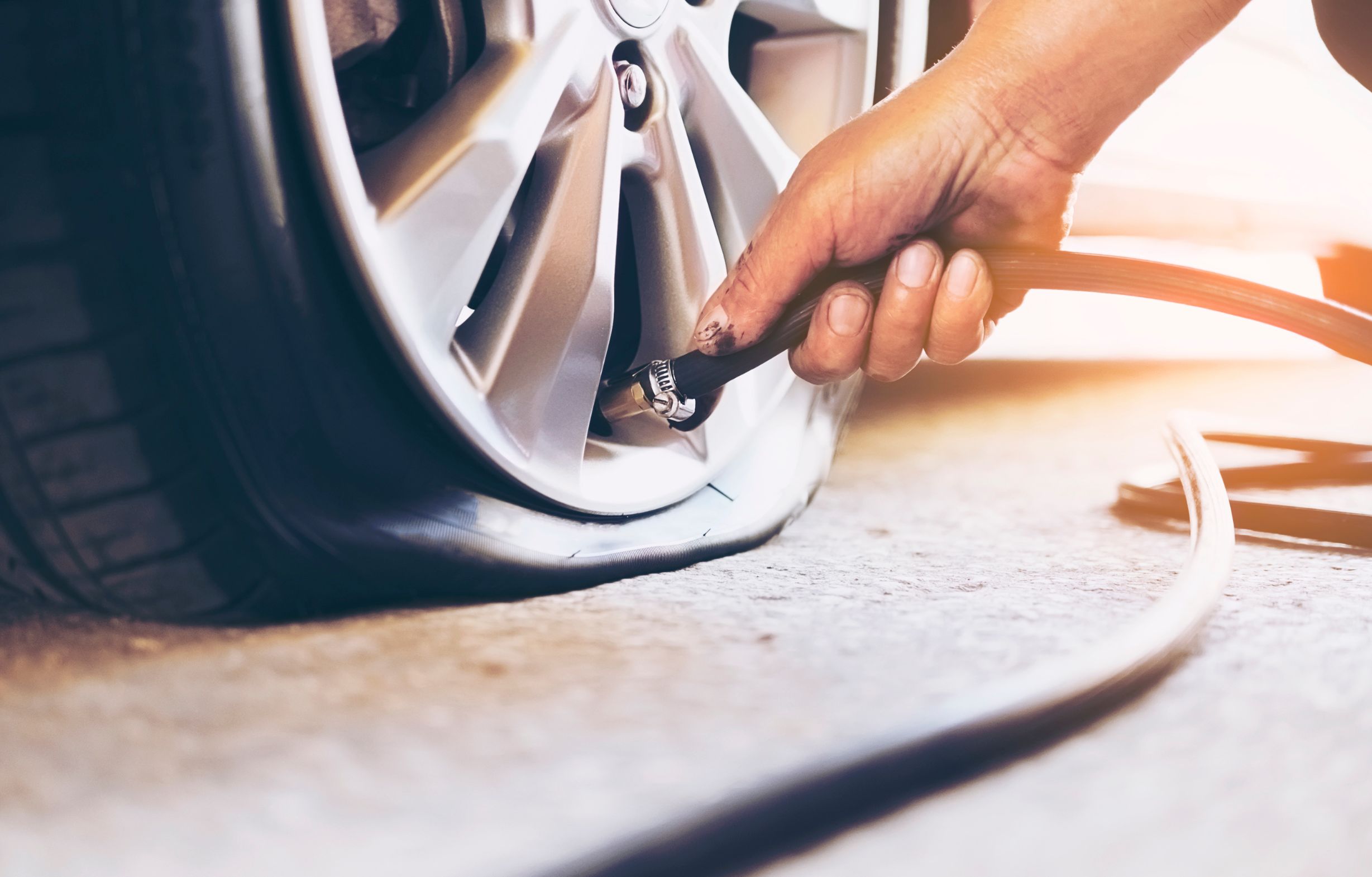
There is also a psychological side to quick response. Flat tires tend to trigger secondary mistakes. People try to limp to the next exit on a ruined tire. They accept help from unqualified passersby in unsafe locations. They leave the car to search for gas, water, or shade. Faster, competent help reduces those bad decisions.
The hidden issues that often show up with flat tire calls
A flat rarely arrives alone. In field service, overlapping problems are common enough that experienced teams expect them. A driver stranded with a flat after dark may discover the spare lock key is missing. Someone trying to change a tire in a store parking lot may find the battery is dead because the radio and interior lights stayed on. A motorist who already had a stressful commute may realize they are also out of gas.
This is one reason many customers who start with roadside assistance near me end up asking about multiple services during the same call. It is not unusual for a provider to perform flat tire assistance, then follow with a car jump start service once the spare is installed. The same visit may also involve emergency fuel delivery if the vehicle cannot reasonably make it to a station. In urban areas, lockouts are another frequent companion problem, especially when keys are left in the trunk during a rushed tire inspection.
A full-service emergency breakdown service should be prepared for that reality. It is more efficient for the customer and often safer overall.
Gilbert and Phoenix require different roadside judgment
Although the two areas are closely connected, roadside conditions differ in ways that matter. Gilbert calls often happen in residential zones, shopping centers, newer developments, and busy suburban corridors. There may be more space to work, but access can still be tricky in narrow parking structures or near heavily landscaped medians. A technician may need to navigate gated communities, school pickup traffic, or retail lots with awkward curb layouts.
Phoenix adds density and speed. More calls happen along high-volume arterial roads and freeway shoulders. The safety calculation changes when traffic is moving fast only a few feet away. In some Phoenix locations, the right answer is to move the vehicle only if doing so can be done without destroying the wheel. In others, staying put and waiting for properly equipped roadside assistance Phoenix support is the safer call.
That local judgment matters more than most customers realize. The tools may be the same, but the decision-making is not.
What separates good roadside service from the frustrating kind
Most people do not think about roadside assistance until they need it. Then the differences become obvious. Good service is clear, calm, and specific. You are told what the technician can do, what they cannot do safely, and roughly how long it should take. If the spare is unusable, you hear that plainly. If towing is the smarter option, it is explained without theatrics.
Poor service tends to create false expectations. Customers are promised instant arrival when the actual wait is much longer. The dispatch process is vague. Nobody asks whether the vehicle is in a safe location, whether the spare exists, or whether the lug key for locking wheel nuts is available. That lack of detail leads to delays, repeat visits, and unnecessary frustration.
From a professional standpoint, the strongest roadside operators do three things well:
| What matters | Why it helps during a flat tire call | |---|---| | Accurate location intake | Prevents wasted time and wrong-side-of-road confusion | | Honest assessment of the tire situation | Avoids unsafe repairs and pointless attempts | | Broad service capability | Helps when the flat is paired with battery, fuel, or lockout trouble |
A customer searching emergency roadside assistance near me is usually dealing with stress already. Clarity is not a luxury in that moment. It is part of the service.
The spare tire question nobody checks until it is too late
One of the most common disappointments on flat tire calls is the unusable spare. Sometimes it is flat. Sometimes it is dry-rotted from age. Sometimes the vehicle does not even have one because the owner assumed it did, only to discover the car came with an inflator kit instead. Trucks and SUVs can have full-size spares mounted underneath, but the lowering mechanism may be rusted, jammed, or missing the release tool.
If there is one habit worth building before trouble starts, it is checking the spare a few times each year. That includes verifying pressure, making sure the jack and tools are present, and confirming you know where the wheel lock key is stored. It is not glamorous maintenance, but it is practical. It can be the difference between a twenty-minute roadside stop and a tow across town.
This is especially important before summer road trips out of Gilbert or Phoenix. Drivers heading north, crossing the valley, or commuting long distances on freeways put extra strain on their tires. A compact spare with low pressure is not a plan. It is a future problem waiting its turn.
When to repair, when to replace, when to tow
The right next step after a flat depends on the damage, the vehicle, and the location. A nail in the tread discovered in a parking lot may support a simple spare swap followed by a repair at a tire shop. A blowout that tears the sidewall or damages the rim points toward replacement, not patching. A luxury vehicle with run-flat tires may need special handling, and some performance cars or electric vehicles have lifting points that make improper jacking risky.
Then there is the location factor. In a quiet neighborhood street, changing to the spare may be easy. On a narrow shoulder with fast traffic, even a technically simple tire swap may not be worth the exposure. A smart emergency breakdown service balances mechanical possibility against real-world safety.
The practical decision usually comes down to four things
- Whether the tire damage is in a repairable area or the sidewall is compromised.
- Whether a safe, inflated spare is available.
- Whether the vehicle is stopped in a place where roadside work can be done without unreasonable risk.
- Whether there may be wheel, suspension, or battery issues beyond the tire itself.
That kind of judgment is more valuable than brute speed alone.
Roadside help is often about reducing stress as much as fixing the car
A professional tone matters during roadside calls because people are often rattled. They may be late to pick up a child, headed to work, or stranded in office clothes on a hot afternoon. Good roadside support brings the temperature down emotionally as well as mechanically. Calm instructions, realistic timing, and straightforward updates make the entire event feel manageable.
That is part of why services like jump start service near me, car lockout service near me, and fuel delivery near me are often ez3roadsidephoenix.com roadside assistance near me grouped with tire help in customer searches. People do not always know exactly which service they need. They know their day has stopped and they need someone who can sort it out. Mobile roadside assistance works best when it meets that moment with competence instead of confusion.
A final practical note for local drivers
If you drive regularly in Gilbert or Phoenix, assume that tire trouble is a matter of when, not if. The goal is not to be alarmed. It is to be prepared. Keep the spare checked, the tools accessible, and the roadside contact information easy to find. If your vehicle uses a tire inflator kit instead of a spare, know that before you are standing on the shoulder trying to make sense of the trunk layout.
Most flat tire situations are resolved without drama when the response is quick and informed. The key is recognizing that the real problem is not only the loss of air. It is the combination of heat, traffic, location, and uncertainty. When those factors line up, experienced roadside assistance Gilbert AZ and roadside assistance Phoenix support becomes more than a convenience. It becomes the safest way to get moving again.
Our Sponsor
EZ3 Roadside Rescue Services
EZ3 Roadside Rescue Services is a Gilbert-based roadside assistance provider serving drivers throughout Gilbert and the greater Phoenix, Arizona area. The company provides fast, professional roadside assistance for common vehicle emergencies, including flat tire repair and tire changes, battery jump starts, emergency fuel delivery, vehicle lockout assistance, lug nut removal, battery replacement, and emergency breakdown assistance. EZ3 Roadside Rescue Services is available 24/7 to help stranded motorists get safely back on the road.
Address:
922 N Colorado St,
Gilbert,
AZ
85233,
United States
Phone: (480) 710-5902
Business Hours:
- Open 24/7 — Emergency Roadside Assistance Available
Follow Us: